Frequently Asked Questions
Is lawn aeration worth the money?
Lawn aeration is worth the money as it significantly improves lawn health by relieving soil compaction, enhancing root growth, and promoting greener grass. This investment leads to a more vibrant and resilient lawn, making it a valuable service for homeowners.
What is the best month to aerate my lawn?
The best month to aerate your lawn is typically in the early spring or early fall. This timing allows for optimal soil temperature and encourages healthy root growth, resulting in a greener and healthier lawn.
How much should it cost to aerate your lawn?
The cost to aerate your lawn typically ranges from $75 to $200, depending on factors like lawn size and local service rates. Investing in aeration can lead to healthier grass and improved lawn vitality.
How much does Lawn Doctor charge for aeration?
The cost of aeration services from Lawn Doctor varies based on factors like lawn size and location. Typically, prices range from $100 to $200, but it's best to contact them directly for an accurate quote tailored to your lawn's needs.
What benefits does lawn aeration provide?
The benefits of lawn aeration include improved root growth, enhanced nutrient absorption, and increased water infiltration. This process alleviates soil compaction, resulting in a healthier, greener lawn that thrives throughout the growing season.
How often should I aerate my lawn?
The frequency of lawn aeration depends on your lawn's condition and usage. Generally, it's recommended to aerate your lawn once a year, but if your soil is heavily compacted or your lawn experiences high foot traffic, aerating twice a year may be beneficial.
Can lawn aeration improve grass health?
Lawn aeration can significantly improve grass health. By relieving soil compaction, aeration promotes better root growth and enhances nutrient and water absorption, resulting in a greener, healthier lawn.
What tools are needed for lawn aeration?
The tools needed for lawn aeration include a core aerator or spike aerator, which can be rented or purchased, along with a rake to collect soil plugs and a lawn mower for post-aeration maintenance.
Is DIY lawn aeration effective?
DIY lawn aeration can be effective if done correctly, but professional services often achieve better results due to advanced equipment and expertise. Proper aeration promotes root growth and enhances lawn health, making it a worthwhile investment.
How long does lawn aeration take?
The duration of lawn aeration typically takes about 1 to 2 hours, depending on the size of your lawn and the equipment used. This efficient process allows for quick enhancement of your lawn's health.
What are signs my lawn needs aeration?
Signs your lawn needs aeration include compacted soil, poor drainage, thinning grass, and increased weed growth. If your lawn feels hard underfoot or has bare patches, it’s time to consider aeration to promote healthier growth.
Can aeration help with lawn drainage issues?
Aeration can effectively improve lawn drainage issues. By creating holes in the soil, aeration alleviates compaction, allowing water to penetrate deeper and promoting better drainage, which ultimately leads to a healthier lawn.
What is the process of lawn aeration?
The process of lawn aeration involves perforating the soil with small holes to alleviate compaction, allowing air, water, and nutrients to penetrate deeply into the grass roots, promoting healthier growth and a greener lawn.
Should I overseed after aerating my lawn?
Overseeding after aerating your lawn is highly recommended. This process allows new grass seeds to penetrate the soil more effectively, promoting better germination and enhancing overall lawn health.
How does aeration affect lawn fertilization?
Aeration significantly enhances lawn fertilization by allowing nutrients, air, and water to penetrate the soil more effectively. This process promotes deeper root growth, ensuring that fertilizers are absorbed efficiently, leading to a healthier and greener lawn.
What time of year is best for aeration?
The best time for lawn aeration is during the growing seasons of spring and fall. This timing allows for optimal recovery and promotes healthy root growth, ensuring your lawn thrives.
Can lawn aeration reduce thatch buildup?
Lawn aeration can effectively reduce thatch buildup. By creating holes in the soil, aeration allows air, water, and nutrients to penetrate deeper, promoting decomposition of thatch and improving overall lawn health.
How deep should aeration holes be?
The depth of aeration holes should typically be around 2 to 4 inches. This depth allows for effective soil compaction relief and promotes optimal root growth, enhancing the overall health of your lawn.
What type of soil benefits most from aeration?
The type of soil that benefits most from aeration is compacted soil, particularly clay-heavy soils. Aeration helps relieve compaction, allowing air, water, and nutrients to penetrate deeper, promoting healthier root growth and a greener lawn.
Is lawn aeration safe for pets?
Lawn aeration is safe for pets. After the process, it's advisable to keep pets off the lawn for a short period to allow the soil to settle, but there are no harmful chemicals involved that would pose a risk to their health.
How does weather affect lawn aeration?
Weather significantly affects lawn aeration. Ideal conditions include moist soil, which allows aeration equipment to penetrate easily, while dry or overly wet conditions can hinder effectiveness and potentially damage the lawn.
What is core aeration versus spike aeration?
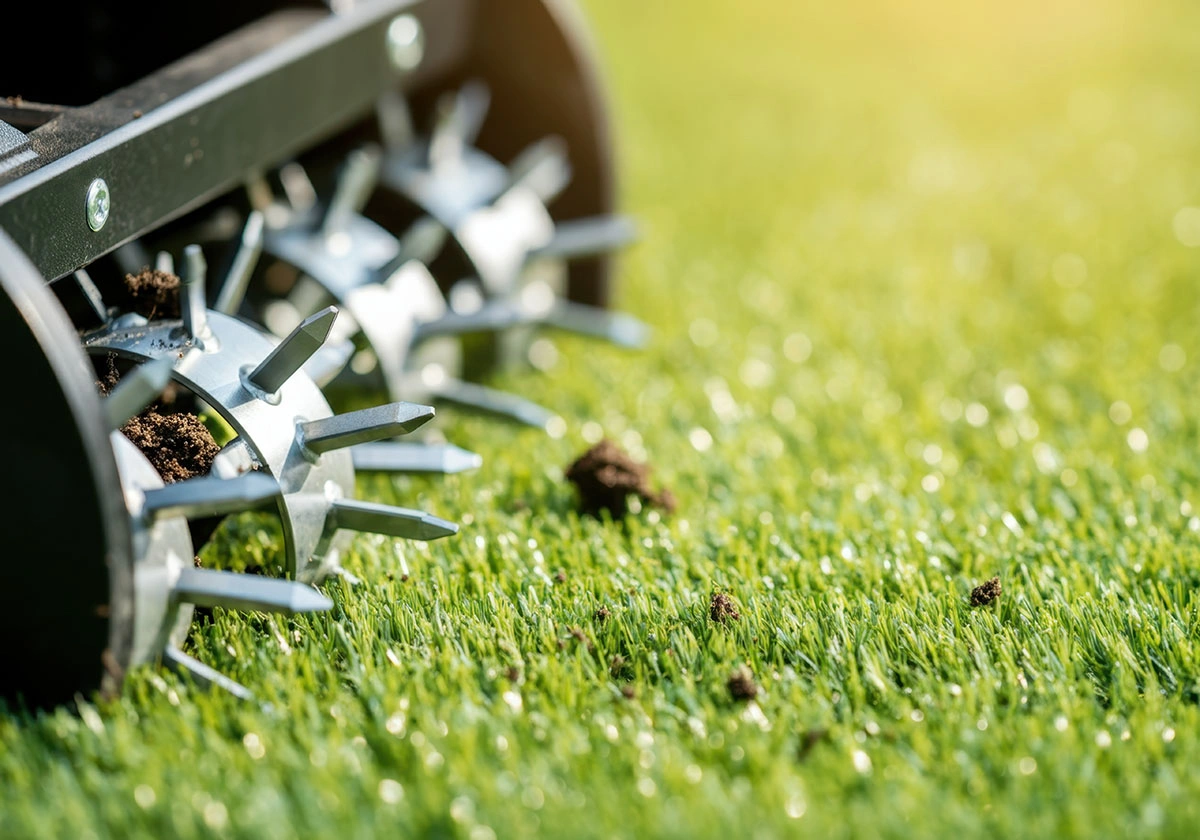
Core aeration involves removing small plugs of soil to alleviate compaction and enhance root growth, while spike aeration uses solid tines to create holes in the soil. Core aeration is generally more effective for improving lawn health.
Can I aerate my lawn in the fall?
Aerating your lawn in the fall is beneficial. This season allows for optimal soil conditions, promoting root growth and improving overall lawn health as it prepares for winter dormancy.
How do I prepare my lawn for aeration?
Preparing your lawn for aeration involves mowing it to a shorter height, watering it thoroughly a day before the service, and marking any underground utilities or sprinkler systems to avoid damage during the aeration process.
What is the ideal lawn height before aeration?
The ideal lawn height before aeration is typically between 2.5 to 4 inches. Maintaining this height ensures optimal soil exposure and promotes effective aeration, allowing for better root growth and overall lawn health.
How does lawn aeration impact water retention?
Lawn aeration significantly impacts water retention by alleviating soil compaction, allowing water to penetrate deeper into the soil. This promotes healthier root systems and ensures that grass receives adequate moisture, leading to a lush, vibrant lawn.
What are common mistakes in lawn aeration?
Common mistakes in lawn aeration include aerating at the wrong time, neglecting to water the lawn beforehand, and failing to use the appropriate equipment. These errors can hinder the effectiveness of aeration and compromise lawn health.
How can I tell if aeration worked?
The effectiveness of aeration can be determined by observing your lawn's health over time. Look for improved root growth, increased water absorption, and greener grass within a few weeks after the aeration process.
What is the cost of professional aeration services?
The cost of professional aeration services varies based on lawn size and specific needs. Typically, prices range from $75 to $200, providing significant benefits for your lawn’s health and vitality.
Are there any risks associated with lawn aeration?
The risks associated with lawn aeration are minimal. If done correctly, it can enhance lawn health; however, improper timing or technique may lead to temporary stress on the grass or expose it to weeds.