Frequently Asked Questions
How can I prevent water pooling in my yard?
Preventing water pooling in your yard involves implementing effective drainage solutions. This can be achieved by grading your landscape to direct water away from your home, installing French drains, or creating dry wells to manage excess water efficiently.
What drainage solutions do you offer for lawns?
Next Level Outdoor Services offers a variety of drainage solutions for lawns, including French drains, surface drains, and grading adjustments. These systems effectively manage water runoff, preventing pooling and protecting your landscape from erosion and moisture damage.
How does proper grading affect drainage?
Proper grading significantly impacts drainage by directing water flow away from structures and preventing pooling. It ensures that the landscape slopes appropriately, reducing erosion and moisture issues, ultimately protecting your property’s foundation and health.
What are the signs of poor drainage in a property?
The signs of poor drainage in a property include standing water in yards, water pooling near foundations, persistent dampness in basements, and erosion or mudslides in landscaped areas. These indicators can lead to serious property damage if not addressed promptly.
Can you provide tailored drainage solutions for my property?
Tailored drainage solutions can be provided for your property. At Next Level Outdoor Services, we assess your specific drainage needs to design and implement effective systems that prevent water accumulation and protect your landscape and foundation.
What is the importance of effective drainage systems?
The importance of effective drainage systems lies in their ability to prevent water accumulation, erosion, and moisture-related issues. By managing water flow, these systems protect your property's foundation and landscape, ensuring a dry and healthy environment.
How can I protect my foundation from water damage?
Protecting your foundation from water damage involves implementing effective drainage solutions. Ensure proper grading away from your home, install gutters and downspouts, and consider a French drain system to redirect excess water and maintain a dry foundation.
What causes water pooling in yards?
The causes of water pooling in yards include poor soil drainage, compacted soil, improper grading, and inadequate drainage systems. These factors prevent water from flowing away, leading to accumulation and potential damage to the landscape.
How can I improve my lawn drainage?
Improving your lawn drainage involves implementing solutions such as installing French drains, grading your yard to direct water away from your foundation, and aerating the soil to enhance water absorption.
What are effective drainage solutions for gardens?
Effective drainage solutions for gardens include installing French drains, utilizing rain gardens, and implementing proper grading to direct water away from plant roots. These methods help prevent water pooling, ensuring a healthy garden environment.
How often should I check my drainage system?
The frequency of checking your drainage system is essential for maintaining its effectiveness. It's recommended to inspect your drainage system at least twice a year, ideally in spring and fall, and after heavy rainfall to ensure it functions properly and prevents water-related issues.
What materials are best for drainage solutions?
The best materials for drainage solutions include perforated pipes, gravel, and sand, as they effectively channel water away from your property and prevent pooling. Utilizing these materials ensures optimal drainage and protects your landscape from moisture-related issues.
How does landscaping affect water drainage?
Landscaping significantly impacts water drainage by influencing soil composition, vegetation placement, and land contours. Properly designed landscapes can enhance water flow, prevent pooling, and reduce erosion, ensuring effective drainage and a healthier property.
What is the cost of drainage services?
The cost of drainage services varies based on the specific needs of your property. Factors such as the size of the area, the complexity of the drainage solution, and materials used will influence the final price. For a personalized estimate, contact us today.
How can I identify drainage issues early?
Identifying drainage issues early involves observing signs such as water pooling, soggy areas, and erosion on your property. Regularly inspect your landscape after heavy rainfall to catch potential problems before they escalate.
What maintenance is required for drainage systems?
The maintenance required for drainage systems includes regular inspections to check for clogs, debris removal, and ensuring proper water flow. Additionally, periodic cleaning and repairs are essential to maintain functionality and prevent water-related issues.
How can I enhance my propertys drainage?
Enhancing your property's drainage involves implementing effective solutions such as installing French drains, grading your landscape to direct water away from your foundation, and utilizing rain gardens to absorb excess moisture.
What are the benefits of proper grading?
The benefits of proper grading include effective water drainage, prevention of erosion, and protection of your property’s foundation. By ensuring optimal land contours, proper grading enhances landscape health and reduces moisture-related issues.
How does soil type affect drainage?
Soil type significantly affects drainage. Sandy soils drain quickly due to larger particles, while clay soils retain water, leading to potential pooling and erosion. Understanding your soil type is crucial for effective drainage solutions.
What tools are needed for drainage installation?
The tools needed for drainage installation include a shovel, trenching tool, level, measuring tape, and a pipe cutter. These essential tools help ensure accurate and effective installation of drainage systems to prevent water-related issues.
Can I install drainage systems myself?
Installing drainage systems yourself is possible, but it requires careful planning and knowledge of proper techniques. For optimal results and to avoid potential issues, professional installation is often recommended.
What are common drainage problems in lawns?
Common drainage problems in lawns include water pooling, soil erosion, and poor water absorption, which can lead to unhealthy grass and foundation damage. Addressing these issues is crucial for maintaining a healthy landscape.
How do I choose a drainage contractor?
Choosing a drainage contractor involves evaluating their experience, checking references, and ensuring they offer tailored solutions for your specific drainage needs. Look for licensed professionals with positive reviews to guarantee quality service.
What is the role of drainage in landscaping?
The role of drainage in landscaping is crucial for preventing water accumulation, which can lead to erosion and damage to plants and structures. Effective drainage systems help maintain a healthy landscape by directing excess water away from critical areas.
How can I prevent erosion in my yard?
Preventing erosion in your yard involves implementing effective drainage solutions, such as installing French drains, creating swales, and planting native vegetation to stabilize the soil. These methods help redirect water flow and protect your landscape from damage.
What are the best practices for lawn grading?
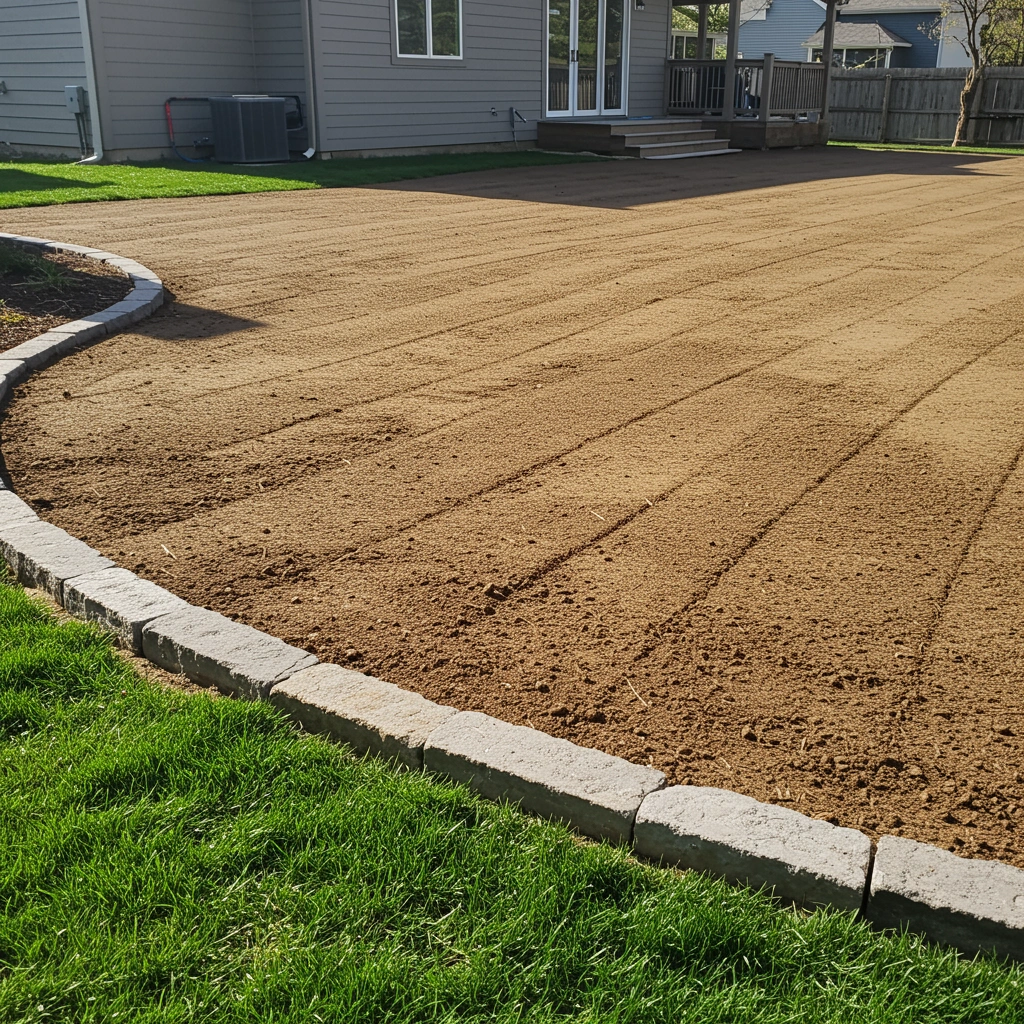
The best practices for lawn grading include ensuring a gentle slope away from structures, using quality soil for leveling, and compacting the soil to prevent settling. Regularly testing drainage patterns will also help maintain a healthy lawn.
How does drainage impact plant health?
The impact of drainage on plant health is significant. Proper drainage prevents water accumulation, which can lead to root rot and other moisture-related issues, ensuring plants receive adequate oxygen and nutrients for optimal growth.
What signs indicate a need for drainage solutions?
Signs that indicate a need for drainage solutions include persistent water pooling in your yard, soggy soil, erosion on slopes, and water stains on your foundation. These issues can lead to property damage if not addressed promptly.
How can I assess my propertys drainage needs?
Assessing your property's drainage needs involves observing areas where water tends to pool, checking for erosion signs, and evaluating the slope of your landscape. Conducting a thorough inspection during heavy rain can provide valuable insights into your drainage issues.
What are the long-term benefits of proper drainage?
The long-term benefits of proper drainage include preventing water accumulation, reducing erosion, and protecting your property's foundation. This ensures a healthier landscape, minimizes maintenance costs, and enhances the overall value of your property.